
Conveyor Resources
Guides: conveyors
Conveyors take repetitive, labor-heavy trips off your floor and turn them into controlled flow. These guides explain the types, the components, and how to match a system to what you move.
Types of Conveyor Systems: A Buyer’s Guide
The main types of conveyor systems explained: gravity, belt, roller, chain & overhead, plus what's in a system and how to choose for your facility.
What are the main types of conveyor systems?
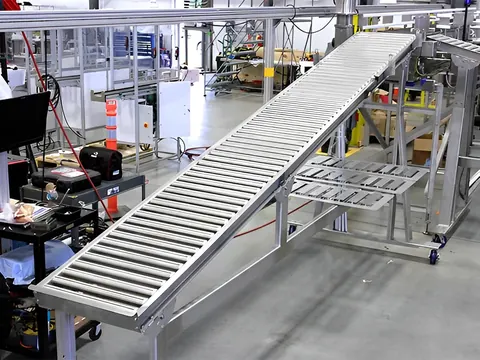
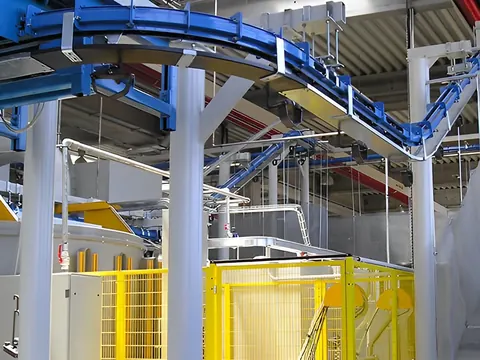
The main types are gravity (roller and skatewheel), belt, powered roller, chain and slat, and overhead conveyors, plus specialty bulk conveyors like screw and pneumatic. The right type depends on what you are moving, your volume, and the path.
What is in a conveyor system?
A complete conveyor system includes the conveying surface (belt, rollers, chain, or wheels), a drive motor on powered units, the frame and supports, controls, and accessories such as guard rails, transfers, merges, diverts, and sensors.
How much do conveyor systems cost?
It ranges widely. Simple gravity conveyor is low-cost per linear foot, while powered and automated systems with controls and sortation cost many times more. Pricing depends on length, type, and integration, so a layout-based quote is the only accurate way to budget.
What is the most common type of conveyor?
Belt and powered roller conveyors are the most common in warehousing and distribution because they handle a wide range of items with good control, while gravity roller conveyor is the most common simple, unpowered option.
Talk to us about conveyors
Every business is unique. Send the details and our sales team will follow up by email.
800-445-4082- [email protected]
- Hours
- Monday to Friday, 8AM to 5PM